
Everest Base Camp Trek 2026: The Complete Guide to Cost, Itinerary, Permits, and Everything You Need to Know
9th May, 2026
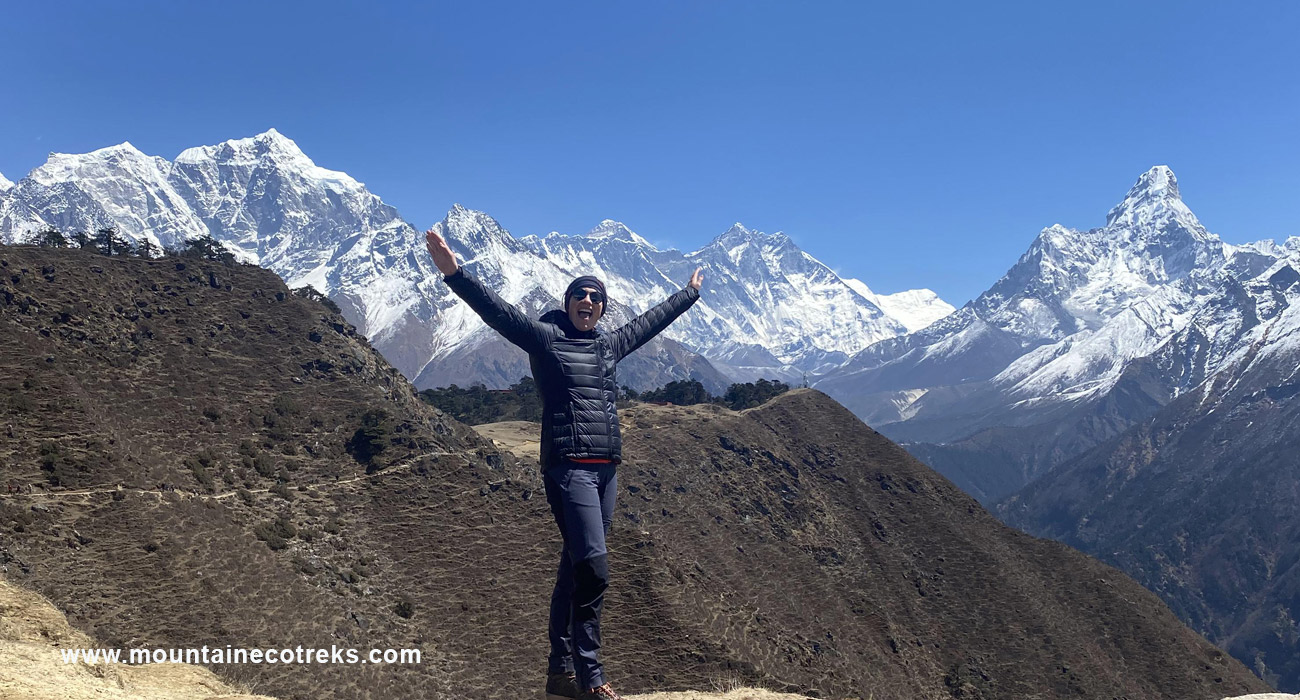
What Is the Everest Base Camp Trek?
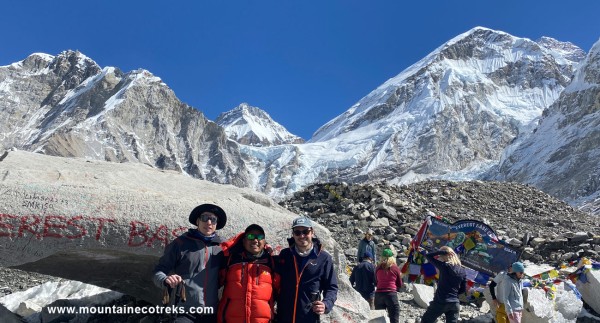
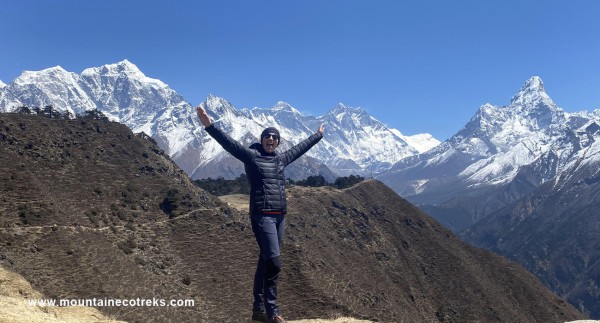
The Everest Base Camp Trek (EBC Trek) is one of the most iconic high-altitude trekking routes in the world. It takes you deep into the Khumbu Valley of northeastern Nepal, through the heart of Sagarmatha National Park, to the south base camp of Mount Everest at an elevation of 5,364 metres (17,598 feet).
Table of Contents
The EBC Trek is not a technical mountaineering climb. You do not need ropes, crampons, or ice axes. It is a long-distance walk through Sherpa villages, ancient monasteries, glacial valleys, and some of the most dramatic mountain scenery on Earth. Every year, tens of thousands of trekkers from across the globe undertake this bucket-list adventure.
The standard Everest Trek takes 12 to 14 days from Lukla to Lukla, covering approximately 130 kilometres of trail. Including travel days in Kathmandu, most trekkers plan for 14 to 16 days total.
Mount Everest: Key Facts Every Trekker Should Know
Mount Everest (known in Nepal as Sagarmatha and in Tibet as Chomolungma) is the world's highest mountain, standing at 8,848.86 metres (29,031.7 feet) above sea level. This official height was confirmed by China and Nepal in December 2020.
- Location: Mahalangur Himal sub-range, on the Nepal–Tibet border
- First summited: May 29, 1953, by Sir Edmund Hillary (New Zealand) and Tenzing Norgay Sherpa (Nepal)
- Everest Base Camp altitude (Nepal side): 5,364 m (17,598 ft)
- Kala Patthar altitude: 5,545 m (18,192 ft) — the highest point on the EBC Trek and the best viewpoint for Everest
- Khumbu Icefall: The dangerous glacier section above base camp, used only by summit climbers
Trekkers reach the base camp area but do not summit the peak. For a clear, unobstructed view of Everest's full triangular face, the hike to Kala Patthar is considered a must.
Everest Base Camp Trek Cost 2026
The total Everest Base Camp Trek cost in 2026 depends on your trekking style, group size, and whether you book a package or plan independently. Here is a verified breakdown:
Budget Styles
| Trekking Style | Estimated Cost (USD) | What's Included |
|---|---|---|
| Budget (independent) | $1,000 – $1,400 | Permits, flights, teahouses, meals — no guide |
| Standard guided package | $1,400 – $2,500 | Guide, porter, accommodation, most meals, permits, Lukla flights |
| Premium guided trek | $2,500 – $4,000 | Smaller groups, senior guides, better teahouses |
| Luxury with helicopter return | $3,500 – $5,500+ | Private lodges, helicopter out from Gorak Shep |
Itemised Cost Breakdown (2026)
- Kathmandu to Lukla round-trip flight: USD 500 – 550
- Sagarmatha National Park Permit: NPR 3,000 (USD 25)
- Khumbu Pasang Lhamu Rural Municipality Permit: NPR 2,000 (USD 18)
- Licensed guide fee: USD 25 – 35 per day (plus their food and lodging USD 10–15/day)
- Porter fee: USD 18 – 25 per day (carries up to 20 kg)
- Teahouse lodging: USD 5 – 10 per night (higher at Lobuche and Gorak Shep)
- Meals on trail: USD 25 – 40 per day
- Travel insurance (mandatory): USD 100 – 150 (must cover helicopter evacuation up to 5,000 m)
- Gear rental in Kathmandu: USD 50 – 100
Recommended total budget: USD 1,950 – 2,350 for a comfortable, safe, 14-day guided EBC trek including gear, flights, insurance, permits, food, tips, and buffer nights in Kathmandu.
Note: TIMS (Trekkers' Information Management System) card is no longer mandatory in the Everest region as of 2023. The local municipality permit has replaced it.
Everest Base Camp Trek Itinerary: 14 Days Step by Step
This is the globally recognised standard 14 Days Everest Base Camp Trek itinerary used by most reputable agencies. Acclimatisation days are mandatory for safety and are non-negotiable.
| Day | Route | Altitude | Walking Time |
|---|---|---|---|
| Day 1 | Fly Kathmandu → Lukla; Trek to Phakding | 2,860 m → 2,610 m | ~3 hrs |
| Day 2 | Phakding → Namche Bazaar | 2,610 m → 3,440 m | ~6 hrs |
| Day 3 | Acclimatisation in Namche Bazaar; hike to Everest View Hotel (3,880 m) | 3,440 m | ~3 hrs hike |
| Day 4 | Namche Bazaar → Tengboche | 3,440 m → 3,860 m | ~5 hrs |
| Day 5 | Tengboche → Dingboche | 3,860 m → 4,410 m | ~5 hrs |
| Day 6 | Acclimatisation in Dingboche; hike to Nagarjun Hill (5,100 m) | 4,410 m | ~4 hrs hike |
| Day 7 | Dingboche → Lobuche | 4,410 m → 4,940 m | ~5 hrs |
| Day 8 | Lobuche → Gorak Shep → Everest Base Camp (5,364 m); return to Gorak Shep | 5,164 m | ~8–9 hrs |
| Day 9 | Gorak Shep → Kala Patthar (5,545 m); descend to Pheriche | 5,545 m → 4,270 m | ~7 hrs |
| Day 10 | Pheriche → Namche Bazaar | 4,270 m → 3,440 m | ~7 hrs |
| Day 11 | Namche Bazaar → Lukla | 3,440 m → 2,860 m | ~7 hrs |
| Day 12 | Fly Lukla → Kathmandu | — | 35-min flight |
| Day 13 | Buffer day in Kathmandu (Lukla flights often delayed by weather) | — | — |
| Day 14 | Departure | — | — |
Important: Never skip acclimatisation days. Cutting the itinerary short is the number one cause of altitude sickness evacuations on this trail. Always follow the "climb high, sleep low" principle above 3,500 metres.
How Difficult Is the Everest Base Camp Trek?
The Everest Base Camp Trek is rated moderately challenging — it is not a technical climb, but it is a serious endurance test. Here is what to realistically expect:
- Daily walking: 5 to 8 hours per day for 10 consecutive trekking days
- Terrain: Rocky trails, steep ascents, suspension bridges, moraine paths
- Maximum altitude: 5,545 m at Kala Patthar
- Altitude sickness risk: Significant above 3,500 m — the biggest danger is not the trail but the altitude
- Technical gear required: None. No ropes, ice axes, or crampons
Anyone with moderate cardiovascular fitness can complete the EBC Trek safely with proper preparation. Start training 8 to 12 weeks before departure with regular cardio, hill walks carrying a 8–10 kg backpack, and 5–6 hour hikes.
Common symptoms of Acute Mountain Sickness (AMS): headache, nausea, dizziness, fatigue, and shortness of breath. If symptoms appear, do not ascend further. Descend immediately if symptoms worsen.
Best Time to Visit Everest Base Camp

The best time to visit Everest Base Camp is during two main trekking seasons:
Spring (March to May) - Highly Recommended
- Warmer temperatures, longer days
- Rhododendron forests in full bloom
- Clear mountain views, especially in April and May
- Peak climbing season - you will share the trail with Everest summit expeditions
Autumn (September to November) - Best Overall
- Stable weather, crystal-clear skies
- October and November are the most popular months globally
- Comfortable temperatures and lower humidity
- Best views of Everest and surrounding peaks
Seasons to Avoid
- Monsoon (June–August): Heavy rain, leeches, poor visibility, risk of landslides
- Winter (December–February): Extreme cold (−20°C at altitude), many teahouses close
For most first-time trekkers planning an Everest trek, October, November, April, and May are the safest and most rewarding months.
Everest Base Camp Trek Permit Fee 2026
Every trekker must obtain two official permits before entering the Everest region:
1. Sagarmatha National Park Entry Permit
- Fee (foreigners): NPR 3,000 (USD 25)
- Fee (SAARC nationals): NPR 1,500
- Issued at the Monjo checkpoint on the trail or arranged in advance through a registered agency
2. Khumbu Pasang Lhamu Rural Municipality Permit
- Fee: NPR 3,000 (USD 25)
- Issued at the Lukla entry point
- This permit replaced the TIMS card in the Everest region
Total permit cost for foreigners in 2026: approximately USD 45 (NPR 6,000)
Reputable trekking agencies arrange all permits on your behalf before departure. Always carry your permits throughout the trek for checkpoint inspections.
Kathmandu to Lukla Flight Price
The Lukla Airport (officially Tenzing–Hillary Airport) is the main gateway to the Everest region. It sits at 2,860 metres elevation and is widely considered one of the most dramatic mountain airports in the world.
2026 Kathmandu to Lukla Flight Price
- One-way flight: USD 250 - 275
- Round-trip flight: USD 500 - 550
- Duration: Approximately 35 minutes
- Airlines operating: Tara Air, Summit Air, Sita Air
Important Flight Notes
- Lukla flights are frequently delayed or cancelled due to mountain weather - always build 1 to 2 buffer days into your itinerary
- During peak trekking months (March-May and October-November), domestic Kathmandu flights to Lukla are diverted to Manthali Airport in Ramechhap district due to air traffic congestion - this requires a 4-5 hour drive from Kathmandu before your flight
- Helicopter transfer: Kathmandu to Lukla costs approximately USD 600 one-way
EBC Trek Packing List for Beginners
A well-planned EBC Trek packing list keeps your day pack light (5-8 kg) while ensuring you have everything needed for safe high-altitude trekking. Your porter carries your main bag (maximum 20-25 kg recommended).
Clothing
- Moisture-wicking base layers (2-3 sets)
- Fleece mid-layer jacket
- Down jacket (essential above 4,000 m)
- Waterproof and windproof outer shell
- Trekking trousers and thermal leggings
- Warm hat, sun hat, and buff/neck gaiter
- Gloves (light inner + warm outer)
- Wool or synthetic hiking socks (4-6 pairs)
Footwear
- Waterproof, high-ankle trekking boots (broken in before departure)
- Camp sandals or lightweight shoes for teahouses
Gear
- Trekking poles (highly recommended for descents)
- Sleeping bag rated to -15°C / 5°F
- Headlamp with spare batteries
- 2-3 litre water bottles or hydration bladder
- Water purification tablets or filter
- Trekking backpack (50–60 L for main bag; 20-25 L day pack)
Health and Safety
- Diamox (acetazolamide) - altitude medication, consult your doctor before use
- First-aid kit with bandages, blister care, and antiseptic
- Sunscreen SPF 50+, lip balm with SPF
- Hand sanitiser and wet wipes
- Prescription medications (bring extra)
- Travel insurance documentation
Documents
- Passport (valid for at least 6 months)
- Nepal visa (obtainable on arrival at Kathmandu airport)
- All permits (usually carried by your guide)
- Travel insurance card and emergency contacts
Everest Base Camp Trek Without a Guide: Is It Possible?
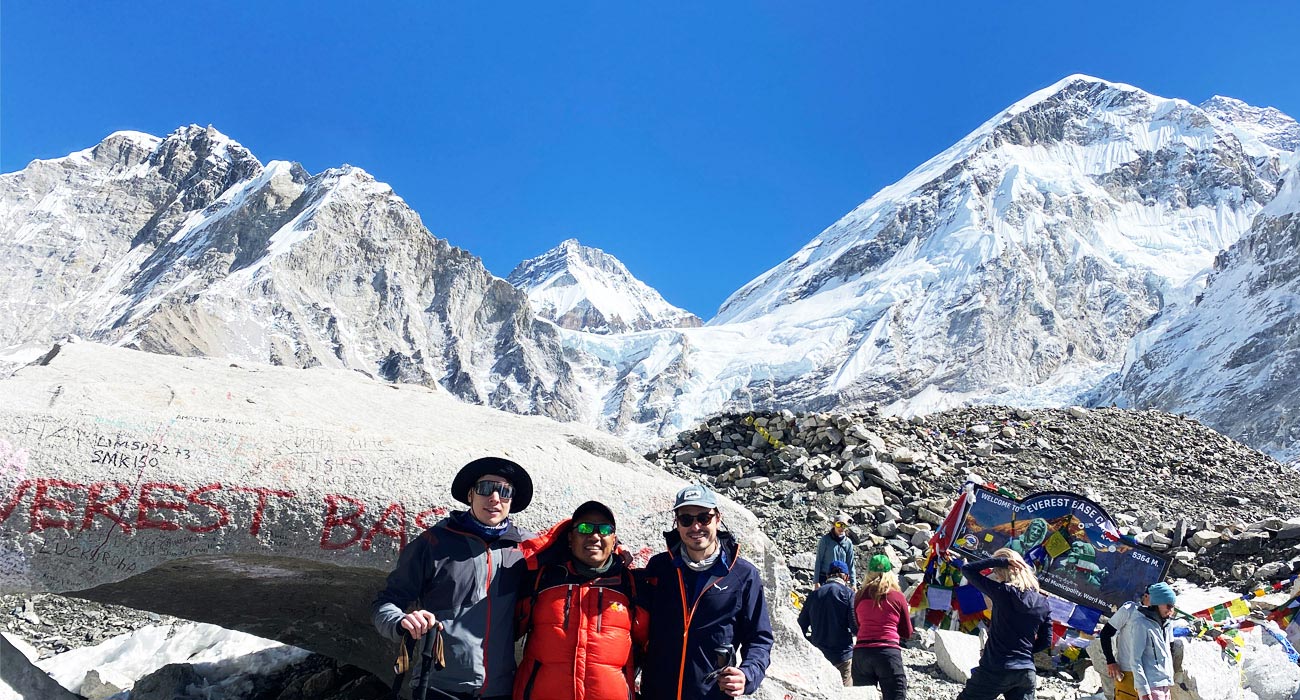
Since April 2023, Nepal's government has made it mandatory for solo foreign trekkers to hire a licensed guide in all national parks and conservation areas, including the Everest region. This rule applies to all nationalities.
Can you still trek independently? Yes - but is not practical . It is strongly advised to hire a licensed guide for safety, navigation, permits, and better support in high-altitude conditions. or recommended
- Join a group departure with a trekking agency (affordable option)
- Hire a licensed guide only, without a full package
- Trek as part of a small self-organised group with a shared guide
Independent trekking without a guide significantly increases risk - altitude emergencies, trail navigation errors, and permit confusion are more common among solo, unguided trekkers. Emergency evacuation without support can cost several thousand dollars.
Everest Base Camp Trek Solo Female Safety
The EBC Trek is considered safe for solo female trekkers and is one of the most popular routes in the world for women travelling alone. Key safety facts:
- The trail is well-marked, well-maintained, and teahouses are staffed throughout
- Sherpa culture is deeply respectful of trekkers and visitors
- Most teahouses have lockable rooms - always request this
- Trekking with a licensed guide dramatically increases safety and local knowledge
- Join group departures if you prefer company - common and affordable
- Carry a personal safety alarm and a fully charged phone
- Register your trip with your country's embassy before departure
- Share your itinerary with someone at home and check in regularly
- Carry copies of all documents and emergency contacts
Many solo female trekkers report the EBC route as one of their most positive Himalayan experiences. Common sense, a guide, and proper preparation are your best tools.
Namche Bazaar: The Gateway to the Everest Region
Namche Bazaar (3,440 m / 11,286 ft) is the largest and most important trading hub in the Khumbu region. It is the de facto capital of the Sherpa people and the main acclimatisation stop on the EBC Trek.
- Famous Saturday market: Local Sherpa and Tibetan traders sell food, yak products, and goods
- Facilities: Banks, ATMs (limited - withdraw enough cash in Kathmandu), bakeries, coffee shops, trekking gear shops, medical clinic
- Everest View Hotel (3,880 m) is a short hike above Namche - it offers one of the most dramatic Everest viewpoints accessible without high-altitude gear
- Internet and phone signal: Strongest in Namche; patchy above this point
Most trekkers spend two nights in Namche for acclimatisation. This rest day is essential for safety above 3,500 metres.
Namche Bazaar Acclimatisation Tips
Proper acclimatisation in Namche Bazaar is one of the most important steps in preventing altitude sickness on the EBC Trek. Follow these evidence-based guidelines:
- Arrive slowly: The steep climb from Phakding to Namche (a gain of ~830 m) should be done at a relaxed pace. Rushing is the most common mistake.
- Rest for one full day: Do not ascend further on arrival day or the rest day. Use rest days for short hikes to higher altitudes, then return to sleep lower.
- Hike high, sleep low: On your acclimatisation day, hike up to the Everest View Hotel (3,880 m) or Khumjung village. Return to Namche to sleep.
- Hydrate constantly: Drink 3–4 litres of water per day. Avoid alcohol and sleeping pills.
- Eat regular meals: Even if appetite is reduced, maintain calorie intake for energy.
- Know the symptoms: Persistent headache, nausea, vomiting, loss of coordination, or confusion are serious AMS warning signs. Descend and seek medical attention immediately.
- Do not push through symptoms: Altitude sickness can be fatal if ignored.
Kala Patthar vs. Gokyo Ri: Which Is Better?
This is one of the most debated questions among Everest region trekkers. Here is an honest comparison:
Kala Patthar (5,545 m)
- The highest point on the classic EBC Trek
- Best known for its direct, close-up sunrise view of Mount Everest's south face
- Located above Gorak Shep, usually climbed on the morning after reaching Base Camp
- More physically demanding due to altitude
- Best for: Trekkers on the classic EBC route who want the most dramatic Everest close-up
Gokyo Ri (5,357 m)
- Located above the Gokyo Lakes in a separate valley west of the main EBC trail
- Offers a 360-degree panoramic view of four 8,000-metre peaks: Everest, Lhotse, Makalu, and Cho Oyu
- Many experienced trekkers consider the Gokyo Ri view superior in terms of breadth and composition
- Requires an extension of 3-4 extra days to the standard EBC itinerary (or part of the Three Passes Trek)
- Best for: Trekkers who want wider panoramas, fewer crowds, and a wilder trail
Verdict: For a single, stunning, close-up view of Everest, choose Kala Patthar. For an all-around Himalayan panorama and quieter trails, choose Gokyo Ri. The Three Passes Trek combines both.
Gokyo Lakes Trek
The Gokyo Lakes are a series of six high-altitude glacial lakes located in the Gokyo Valley of the Khumbu region. They sit at altitudes between 4,700 m and 5,000 m and are collectively a Ramsar Wetland of International Importance.
- Largest lake: Thonak Cho (Gokyo Lake No. 4)
- The vivid turquoise colour of the lakes against the surrounding glaciers and peaks makes this one of the most visually stunning landscapes in the Himalayas
- The trek to Gokyo takes approximately 4 extra days from the standard EBC route
- The Ngozumpa Glacier - the longest glacier in Nepal - runs alongside the Gokyo Lakes trail
- Gokyo village (4,790 m) serves as the base for the Gokyo Ri summit hike
The Gokyo Lakes extension is strongly recommended for trekkers with extra time and good physical fitness.
Three Passes Trek Nepal Itinerary
The Three Passes Trek is the most comprehensive Everest region adventure, crossing three high-altitude mountain passes:
| Pass | Altitude | Notes |
|---|---|---|
| Renjo La | 5,360 m (17,585 ft) | Stunning views of Gokyo Lakes and Everest from the west |
| Cho La | 5,420 m (17,782 ft) | Rocky, icy descent — poles and care required |
| Kongma La | 5,535 m (18,159 ft) | Views of the Khumbu Glacier and Pumori |
Three Passes Trek Overview
- Duration: 18 to 21 days
- Total distance: Approximately 170-190 km
- Difficulty: Strenuous - suitable for fit, experienced trekkers
- Key highlights: All three passes, Everest Base Camp, Kala Patthar, Gokyo Lakes, Gokyo Ri
- Same permits required: Sagarmatha National Park + Khumbu Pasang Lhamu permit
This trek is considered the gold standard of Everest region adventures, combining the classic EBC route with the Gokyo Valley and all three high passes Trek in one continuous circuit.
Tengboche Monastery Visiting Hours Nepal
Tengboche Monastery (3,860 m) is the most important and largest Buddhist monastery in the Khumbu region. It was founded in 1916, rebuilt after the 1934 earthquake, and again after a 1989 fire. It sits in one of the most photogenic positions in the Himalayas, with direct views of Ama Dablam, Everest, Lhotse, and Nuptse.
Visiting Hours
- Morning session: 05:30 - 06:00 (dawn prayers)
- General visiting: 06:00 - 12:00
- Afternoon session: 15:00 - 17:00
Visitor Guidelines
- Remove your shoes before entering the main prayer hall
- Walk clockwise around the monastery and all mani walls and prayer wheels
- Ask permission before photographing monks or religious ceremonies
- Maintain silence inside the prayer hall
- A small donation is appreciated and helps support the monastery community
Tengboche hosts the Mani Rimdu festival (usually October–November), a vibrant three-day Sherpa celebration with masked dances and Buddhist rituals - a rare and deeply atmospheric experience for trekkers who time their visit correctly.
Everest Region Teahouse Trek Budget 2026
The Everest region teahouse system is the backbone of EBC trekking accommodation. Teahouses (also called lodges or guesthouses) offer simple twin-sharing rooms, shared bathrooms, and hot meals - everything you need without carrying a tent.
2026 Teahouse Costs (Per Night)
| Altitude Zone | Room Cost (USD) |
|---|---|
| Lukla to Namche | $5 - $8 |
| Namche to Dingboche | $6 - $10 |
| Dingboche to Lobuche | $8 - $12 |
| Gorak Shep (highest teahouse zone) | $10- $15 |
Meals at Teahouses (Per Day)
- Breakfast: $5 - $10 (porridge, eggs, toast, Tibetan bread)
- Lunch/Dinner: $8 - $15 per meal (dal bhat, noodles, pasta, momos, soups)
- Hot drinks: $2 - $4 per cup (tea, coffee, hot lemon)
- Total meals per day: approximately $25 - $40
Paid Extras
- Wi-Fi: $3 - $5 per day (slower and less reliable at higher altitudes)
- Device charging: $3 - $5 per charge
- Hot shower: $4 - $7
- Boiled water refill: $3 - $5 per ltr.
Budget tip: Drinking boiled water or using purification tablets instead of bottled water saves money and significantly reduces plastic waste on the trail.
Khumbu Icefall Climb Permit 2026
The Khumbu Icefall is the extremely dangerous glaciated section above Everest Base Camp (5,364 m) that summit climbers must traverse on their way to Camp I and beyond. It is not part of the EBC Trek.
To climb the Khumbu Icefall and attempt to summit Mount Everest, you need:
- Mountaineering Royalty (Summit Permit): USD 11,000 per person for the Nepal side (spring season). This is issued by the Nepal Department of Tourism.
- Liaison Officer fee and other expedition fees: Several thousand USD additional
- Insurance covering above 8,000 m elevation
The Khumbu Icefall climb permit is completely separate from trekking permits and is only for registered mountaineering expeditions - not recreational trekkers. If you are only trekking to EBC, you do not need this permit.
Sherpa Culture in Nepal
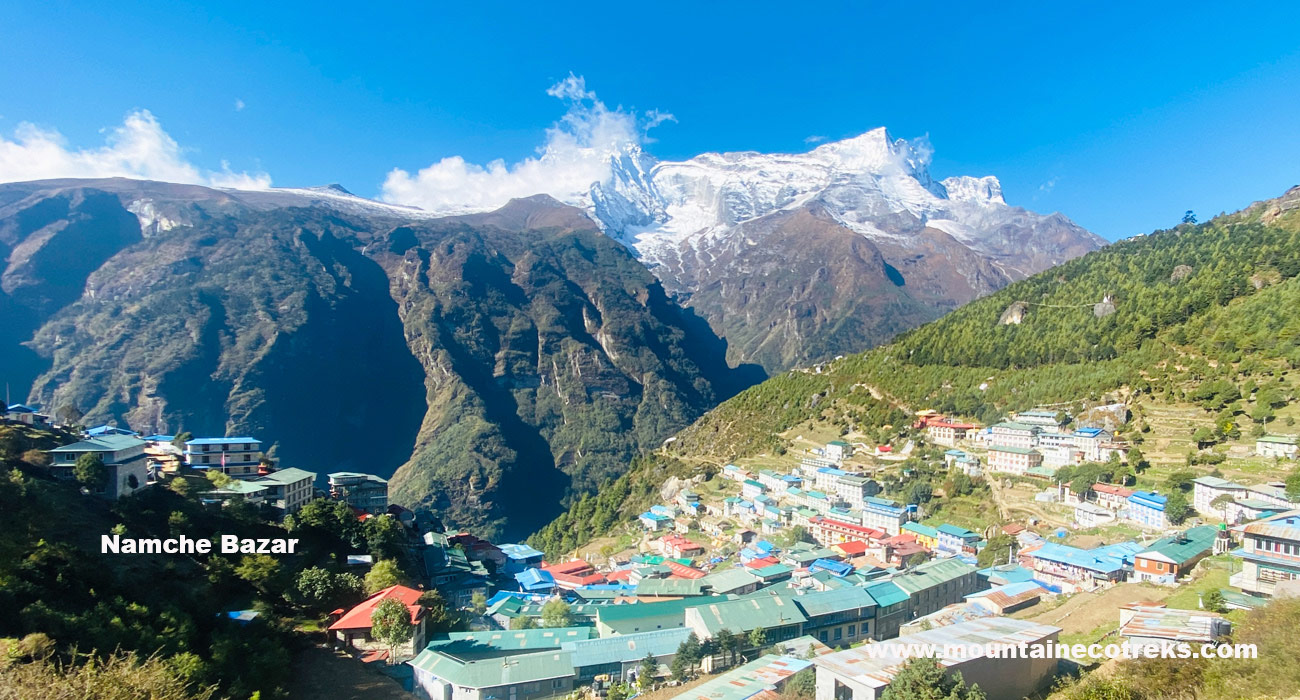
Sherpa is an ethnic group indigenous to the mountainous regions of Nepal, primarily the Solu-Khumbu district of the Everest region. The word "Sherpa" has become globally synonymous with high-altitude mountain guides, but it is first and foremost a rich cultural identity.
- Religion: Sherpa people practice Tibetan Buddhism. Prayer flags, mani walls, chortens (stupas), and monasteries are found throughout the Khumbu region.
- Language: Sherpa language (a Tibetan dialect)
- Livelihoods: Traditionally pastoralism and trade; today primarily trekking, expedition support, and tourism
- Famous Sherpas: Tenzing Norgay (first Everest summit, 1953), Apa Sherpa (21 Everest summits), Kami Rita Sherpa (world record holder with 29 summits as of 2025)
- Cultural etiquette: Always walk clockwise around stupas and mani walls. Respect monastery rules. Remove shoes at religious sites.
When trekking in the Everest region, hiring a local Sherpa guide supports the community directly and provides you with an expert who knows the terrain, altitude risks, and mountain culture intimately.
Sagarmatha National Park
Sagarmatha National Park is a UNESCO World Heritage Site covering 124,400 hectares in Nepal's Solu-Khumbu district. Established in 1976, it is one of the highest national parks in the world.
- UNESCO designation: World Heritage Site (1979), recognised for outstanding natural beauty and unique ecological processes
- Elevation range: 2,845 m to 8,848.86 m (Lukla to Everest summit)
- Notable peaks within the park: Mount Everest (8,848.86 m), Lhotse (8,516 m), Cho Oyu (8,201 m), and Ama Dablam (6,812 m)
- Wildlife: Snow leopard, Himalayan tahr, red panda, Himalayan black bear, and over 150 bird species
- Vegetation: Rhododendron forests, juniper, birch, and high-altitude alpine meadows
- Entry permit: NPR 3,000 (~USD 25) for foreigners
All EBC trekkers pass through Sagarmatha National Park. Respect the park rules: do not litter, do not collect plants or stones, and use only approved teahouses and camping areas.
Everest Helicopter Tour from Kathmandu

For those who want to experience the Everest region without a multi-day trek, an Everest helicopter tour from Kathmandu is an increasingly popular alternative.
What the Tour Includes
- Scenic helicopter flight from Kathmandu over the Himalayan range
- Landing at Kala Patthar (5,545 m) or Everest Base Camp (5,364 m)
- 15 to 30-minute stop at the landing site for photos and views
- Return to Kathmandu — total duration approximately 4 to 5 hours
2026 Price Range
- Shared helicopter tour (group of 4–5): USD 14,00 - 1,600 per person
- Private charter helicopter tour: USD 5,000 – 5,500 per group
Important Notes
- Altitude sickness can still occur even on a brief high-altitude landing — some tours include an acclimatisation breakfast stop at Syangboche or Namche
- Flights are weather-dependent and can be rescheduled due to cloud cover
- Helicopter tours give you a glimpse of Everest but do not replicate the full trekking experience of the Khumbu Valley
Frequently Asked Questions (FAQ)
How long does the Everest Base Camp Trek take?
The standard EBC Trek takes 12 to 14 days from Lukla. Including travel and buffer days in Kathmandu, most trekkers plan for 16 to 18 days total.
How much does the Everest Base Camp Trek cost in 2026?
A standard guided 14-day EBC package costs USD 1,400 – 2,500. A realistic all-in budget including gear, insurance, and extra expenses is USD 1,800 – 2,200.
Do I need a guide for the Everest Base Camp Trek in 2026?
As of now, a guide is not strictly mandatory by law in all cases, but in practice it is strongly recommended and often effectively required for foreign trekkers in the Everest region.
What permits do I need for the EBC Trek?
Two permits are required: (1) Sagarmatha National Park Permit (NPR 3,000 / USD 25) and (2) Khumbu Pasang Lhamu Rural Municipality Permit (NPR 3,000 / USD 25). TIMS is not required in the Everest region.
What is the best time to do the Everest Base Camp Trek?
Spring (March–May) and Autumn (September–November) are the best seasons. October, November, April, and May are the most popular months worldwide.
What is the highest point on the EBC Trek?
Kala Patthar at 5,545 m (18,192 ft) is the highest point on the standard EBC Trek and offers the best views of Mount Everest.
Is the EBC Trek safe for solo female travellers?
Yes. The EBC route is safe, well-monitored, and very popular with solo female trekkers. Hiring a licensed guide is strongly recommended for safety and logistics.
What is Kathmandu to Lukla flight price in 2026?
A round-trip flight costs USD 500 – 550. One-way is USD 250 - 275. Helicopter transfer is approximately USD 550 one-way.
Can I do the Three Passes Trek as a beginner?
No. The Three Passes Trek (18–21 days, crossing Renjo La, Cho La, and Kongma La) is strenuous and best suited for experienced trekkers with previous high-altitude trekking history.
What is the difference between Gokyo Ri and Kala Patthar?
Kala Patthar (5,545 m) offers a close-up view of Everest's south face and is on the classic EBC route. Gokyo Ri (5,357 m) offers a wider 360-degree view of four 8,000-metre peaks and is in the adjacent Gokyo Valley. Both are excellent; the Three Passes Trek includes both.
Recent From Blog

19th Apr, 2019


23rd Dec, 2018

11th Jan, 2024

14th Jan, 2024

29th Jan, 2025

11th Feb, 2025

18th Feb, 2025

25th Feb, 2025

5th Apr, 2025
23rd Dec, 2025